


Supreme Court Strikes Down Ban on Gun Possession for Drug Users
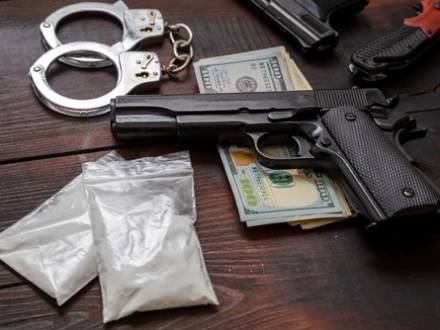 Gun ownership and drug use are topics that have received a great deal of attention in recent years. A large number of states have legalized marijuana for recreational use, leading more people to use this drug regularly. However, federal law prohibits people who are "unlawful drug users" from owning or possessing firearms. Because the federal government still classifies marijuana as an illegal drug, it has taken steps to pursue criminal charges against marijuana users who own guns. However, this law was recently addressed in a Supreme Court ruling that will have an impact on criminal cases going forward.
While the laws and policies related to weapons charges may be changing, it will still be important for anyone who may face these types of charges to secure legal representation. An attorney who understands the roles that these laws play in criminal charges involving firearms or drugs can make sure a person’s rights will be protected during a criminal case.
Second Amendment Rights Apply to Marijuana Users
In the case of United States v. Hemani, the Supreme Court reviewed the case of a man in Texas who had been arrested and convicted of a federal crime for possessing a firearm while being a habitual user of marijuana. Under federal law, anyone who is an "unlawful user" of controlled substances is prohibited from possessing a firearm, and a violation of this law could lead to a prison sentence lasting for up to 15 years.
The Supreme Court reached a unanimous decision in this case, finding that the law violates the Second Amendment. This ruling was based in part on the Supreme Court’s previous decision in the case of New York State Rifle and Pistol Association v. Bruen, which stated that restrictions on gun rights must be based on historical laws and traditions in the United States. Justice Neil Gorsuch, who wrote the majority opinion, stated that laws that historically targeted "habitual drunkards" should not apply to the use of marijuana or other similar substances. The intent of these laws is to protect against the use of firearms to commit violent crimes, but the use of marijuana is unlikely to cause people to do so.
Gorsuch also noted that before a person’s civil liberties, including the right to possess firearms, may be taken away, some type of legal process is usually required. However, the law prohibiting firearm possession by unlawful drug users did not provide any process for stripping away a person’s right to bear arms. It automatically took away a person’s rights from the moment they began using drugs until they stopped being a drug user. The law required the government to conclude that anyone who regularly uses marijuana is considered to be too violent and dangerous to be allowed to possess a gun. This goes against both public opinion regarding marijuana and the government’s treatment of the drug, given that it has recently taken steps to reclassify marijuana as a substance with a lower potential for abuse that has some medicinal uses.
While the Supreme Court’s opinion may limit the federal government’s ability to prosecute people for possessing guns while using marijuana or other drugs regularly, it does not completely prevent people from being prosecuted. If the government can prove that a person’s drug use made them a danger to themselves or others, a person could still be convicted of a firearm possession offense.
Contact Our Connecticut Weapons Crimes Lawyers
While the ruling in this case may affect certain cases where people face federal charges for firearm possession, there are still a wide variety of situations where weapons charges may apply. At Woolf & Ross Law Firm, LLC, our Hartford weapons charges defense lawyers can take steps to protect the rights of people who have been accused of these offenses. We will make sure the laws are applied correctly as we defend against criminal convictions and help our clients resolve their cases successfully. Contact us today at 860-290-8690 to set up a free consultation.
Rocky Hill Office
2049 Silas Deane Hwy, Suite 203
Rocky Hill, CT 06067
P 860-290-8690

Free Consultations 860-290-8690


