


Does Connecticut Allow for Anonymous Juries in Criminal Trials?
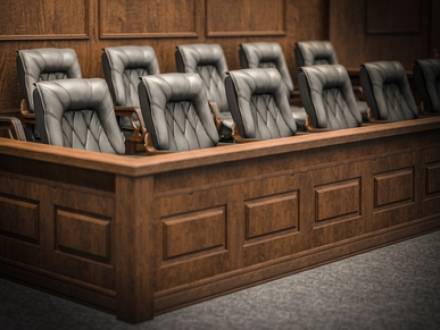 The right to a trial by jury is one of the foundational elements of the criminal justice system in the United States. However, the rules that are followed during jury trials can vary from state to state. One issue that may affect the fairness of jury trials is whether jurors will be anonymous. In Connecticut, a recent murder trial highlighted the rules that may be followed in these types of cases, and the decisions made in the state’s courts may affect the ways these issues may be handled in the future.
When determining how to address issues related to juries, defendants will need to work with a skilled criminal defense lawyer. The rules followed in criminal cases can be complex, and there are numerous issues that could affect the outcome of a trial. With legal representation from an attorney who has experience representing clients in jury trials, a defendant can make sure their rights will be protected.
Connecticut Supreme Court Allows Murder Trial to Proceed With an Anonymous Jury
Some states have taken steps to preserve the anonymity of jurors in high-profile criminal trials. These rules are in place to prevent jury tampering. However, Connecticut law does not currently allow for anonymous juries. During the jury selection process, prosecutors and defense attorneys are allowed to question potential jurors about their personal lives and review identifying information. They may use this information to ensure that jurors will be impartial and exclude any jurors who may have biases that could affect their decisions.
In one recent case, a judge put certain rules in place that allowed for juror anonymity in order to prevent attempts to influence the jury. The defendant, Joseph Stokes, had been charged with murder, and his previous trial had ended in a "hung jury" in which the jurors could not agree on a unanimous verdict. Prosecutors took steps to try him a second time, and they argued that he had taken steps to intimidate jurors and influence the verdict. Because of this, they asked for the identities of the jurors in the second trial to be kept secret.
The judge in the second trial allowed for an anonymous jury, and she put certain rules in place that the prosecution and defense were required to follow when questioning potential jurors. While attorneys were allowed to review the questionnaires submitted by jurors, they were not allowed to ask any questions that would reveal a juror’s name, employer, or other identifying details. They were also prohibited from disclosing information about jurors to anyone else, including the defendant, investigators, or other personnel assisting with a case.
The defendant’s attorney challenged these rules, arguing that they violated the language in the Connecticut constitution that prohibits anonymous juries and allows attorneys to question jurors about their lives and any other factors that could influence their decisions. The restrictions the judge put in place may limit attorneys’ ability to use standard practices during the jury selection process, including having staff members run background checks on jurors and review their social media activity. Without enough information, attorneys may have no way to identify and exclude jurors who may be biased.
The Connecticut Supreme Court chose not to review the case, and it allowed the trial to proceed with the judge’s rules in place. However, the Supreme Court will allow for an appeal after the trial. How the case plays out may determine whether anonymous juries will be allowed in the future.
Contact Our Connecticut Criminal Defense Lawyers
At Woolf & Ross Law Firm, LLC, our lawyers have extensive experience representing clients in criminal cases, including jury trials. We understand how to handle the jury selection process, including the steps that can be taken to help ensure that a jury will be fair and impartial. We can determine the best ways to handle concerns related to anonymous juries that may arise in the wake of this decision, and we will take steps to protect our clients’ rights at all times while helping them resolve criminal cases successfully. To arrange a free consultation with us, contact our Hartford criminal defense lawyers at 860-290-8690.
Rocky Hill Office
2049 Silas Deane Hwy, Suite 203
Rocky Hill, CT 06067
P 860-290-8690
Free Consultations 860-290-8690


