


Automatic Selective Service Registration Raises Questions About Federal Charges
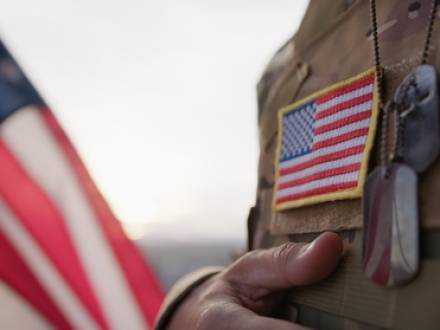 While the United States has not used a military draft for over 50 years, the possibility remains open for a draft in the future in the event of a major war. Young men living in the U.S. are required to register for the Selective Service, ensuring that their information is on file if a draft may occur. Recently, some changes have been made to automatically register people for the Selective Service, and this has raised questions about why registration is required, whether a draft could take place, and what penalties people may face for failing to register.
A person who does not register with the Selective Service as required could potentially be charged with a federal crime. When addressing federal criminal charges, it is crucial to work with an attorney who has experience representing clients in federal courts. By receiving legal guidance and representation, a person can make sure they will be able to take the right steps to defend against a criminal conviction and avoid penalties that could affect their freedom, finances, immigration status, or other parts of their life.
Concerns Related to Selective Service Registration
The Selective Service System (SSS) maintains records for young men in the United States who may be eligible to be drafted into the military. Males are required to register for the Selective Service after they reach the age of 18. Registration can be completed at any time before a person reaches the age of 26. Registration is required for nearly all male U.S. citizens or residents, including undocumented immigrants.
Even though Selective Service registration is required, the number of people who register after they turn 18 has decreased in recent years. In 2020, around 62% of 18-year-olds registered, but this rate has fallen to around 40% in 2026. Most young men eventually register before they reach age 26, although these rates have fallen as well. In 2020, around 90% of men between the ages of 18 and 25 were registered, but in 2026, this rate has decreased to around 84%.
To address this issue, the government has taken steps to begin automatically registering people for the Selective Service. The National Defense Authorization Act for 2026 allowed the SSS to implement automatic registration, and rules have been put in place to begin doing so in December of 2026. It will do so by using information in public databases, such as driver’s license records.
Government officials have argued that this change is necessary to ensure that the information maintained by the SSS is up to date. Failure to register with the Selective Service is a criminal offense. A person could potentially face felony charges, and if convicted, they could be sentenced to up to five years in a federal prison and fined up to $250,000. Failure to register could also affect a person’s ability to obtain certain types of financial aid or work for the federal government.
Multiple people and organizations have raised concerns about automatic Selective Service registration. These include concerns about privacy, since people may be unsure about what data is being collected by the SSS and how it is being used, including whether it may be accessed by Immigration and Customs Enforcement (ICE) in order to identify and detain immigrants. Most Americans are also opposed to a military draft, and they may not want the government to collect data that could be used during a draft.
Contact Our Hartford Federal Criminal Defense Lawyers
While people are unlikely to be prosecuted for failing to register for the Selective Service, the possibility of federal criminal charges remains open. Government officials could take steps to charge people with this offense alongside other types of charges, such as immigration violations. Federal criminal cases can be complex, and defending against a conviction will require help from a lawyer who has experience representing clients in federal courts. At Woolf & Ross Law Firm, LLC, our Connecticut federal crimes defense attorneys can provide the representation clients need in these situations. Contact us today at 860-290-8690 to schedule a free consultation with us.
Rocky Hill Office
2049 Silas Deane Hwy, Suite 203
Rocky Hill, CT 06067
P 860-290-8690
Free Consultations 860-290-8690


