


How Emotional Trauma for Jurors Can Affect Criminal Trials
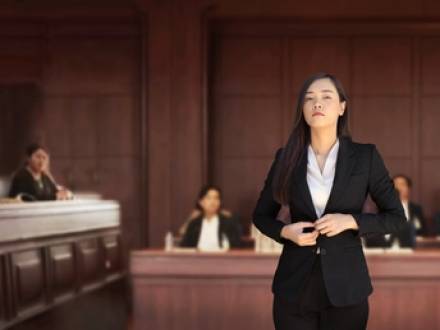 In criminal cases, prosecutors attempt to prove that defendants have committed crimes, and defense attorneys work to help their clients avoid criminal convictions. During trials, courts may consider the circumstances of defendants, and they may also take steps to address the ways that victims have been affected. However, there is another often-overlooked group of people who may experience trauma based on what happens during a criminal trial: the members of juries who review the details of cases and decide on verdicts.
While jurors may be required to consider upsetting information related to alleged crimes, and they may struggle with the ramifications of the decisions they make, courts may not consider the ways they can be affected by these experiences. For those who are facing criminal charges, representation by a criminal defense attorney who understands how to relate to jurors can help ensure that a person will be treated fairly during their case.
Emotional Concerns That Can Affect Juries
Jury duty is often considered to be a chore by people who receive notices from courts. While some may be happy to serve their civic duty and play a role in reaching fair outcomes to cases, others may be unhappy with the disruptions to their lives and routines that jury duty will cause. However, people who serve on juries may be unprepared for the issues that they will need to address and the information that they may need to process.
In cases involving serious crimes, jurors may be presented with information about the harm done to victims. They may be required to listen to detailed accounts of murder, sexual assault, child abuse, and other types of crimes. They may be presented with photographs that contain horrific details related to injuries or death, videos of violent crimes, or audio recordings of people who have gone through some of the worst experiences of their lives. In addition to being exposed to upsetting information, jurors may experience stress as they make decisions that will have a massive impact on the lives of defendants, crime victims, and others.
Because of these factors, many jurors experience mental health issues that can linger long after a trial has concluded. Studies have looked at the effects that trials can have on juries and found that the emotional trauma can be significant. One study reviewed literature related to mental health outcomes for former jurors, and it found that around half of jurors experienced trauma-related symptoms, including depression, intrusive thoughts, and post-traumatic stress disorder (PTSD). Another study looked at how jurors were affected by being exposed to the evidence of violent crimes during mock trials, and it found that on average, the symptoms of PTSD reported by jurors tripled within one week after the end of a trial.
The resources available to jurors are often limited. While some courts and judges have taken steps to ensure that jurors have access to counseling and other forms of mental health support, and some states and counties have put programs in place to address the trauma that jurors experience, many jurors are left without support. They may be forced to seek mental health treatment on their own, and they may have limited options for addressing the trauma they have experienced.
A criminal defense attorney who understands how jurors may be affected during a trial can craft an effective defense. An empathetic approach to representation can help ensure that a lawyer will be able to relate to jurors, help them understand what happened, and make sure they understand how all parties involved in a case will be affected by their decisions.
Contact Our Connecticut Criminal Defense Lawyers
At Woolf & Ross Law Firm, LLC, we work with our clients to develop effective defense strategies in criminal cases. We will consider the effects that the information presented during a trial may have on a jury, and we will determine the best approach to take to guide juries toward the right verdicts and help our clients achieve positive outcomes to their cases. Contact our Hartford criminal defense attorneys at 860-290-8690 to arrange a free consultation.
Rocky Hill Office
2049 Silas Deane Hwy, Suite 203
Rocky Hill, CT 06067
P 860-290-8690

Free Consultations 860-290-8690


