


Will Federal Restrictions on Marijuana Be Relaxed?
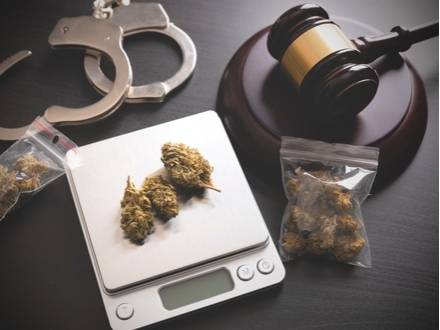 In December of 2025, President Donald Trump issued an executive order calling for the reclassification of marijuana from a Schedule I controlled substance to a Schedule III substance. This is a change that criminal justice advocates and stakeholders in the cannabis industry have called for, but some questions remain about when it will be implemented and what effects it will have on criminal cases involving drug charges.
Federal laws and policies related to controlled substances can be complex. While changes to the ways the government addresses marijuana could affect some criminal cases, people who have been accused of drug crimes will need to understand their rights and their legal options. Representation from an experienced attorney is crucial in drug crime cases prosecuted at the federal or state level.
When Will Changes to Marijuana Policies Go Into Effect?
President Trump does not have the authority to change the laws and policies surrounding marijuana on his own. For the drug to be rescheduled, Congress must pass a law, or the Department of Justice may use a rulemaking process that usually involves hearings and requests for public comments. This process had already begun under the administration of President Joe Biden, and it could continue as the government determines what steps to take to reclassify marijuana.
The executive order issued by President Trump stated that the Attorney General should take all steps to complete the process of rescheduling marijuana. To carry out this order, the Attorney General could bypass many of the steps that are typically followed during the rulemaking process and move marijuana from Schedule I to Schedule III.
There has been some pushback from federal legislators regarding the rescheduling of marijuana. Advocates for rescheduling were concerned that Congress could pass a law that would prevent marijuana from being reclassified or keep certain types of restrictions in place. However, a spending bill that was recently passed by the Senate did not include language that would block rescheduling, and it maintained language that prevents the federal government from interfering with state-level medical marijuana programs.
Potential Effects of Rescheduling Marijuana
If the Department of Justice follows through on President Trump’s orders and reschedules marijuana, this change may not have a significant impact on criminal cases. The greatest impact will most likely be on cannabis businesses. Because these businesses deal with products that are classified as Schedule I controlled substances, they are not allowed to use the tax deductions that would apply to most other businesses. If marijuana is moved to Schedule III, more deductions will be available, and businesses may have an easier time getting loans or accepting payments from customers.
Regardless of whether marijuana is rescheduled, the criminal charges that people may face are likely to remain the same. Federal law includes penalties for marijuana trafficking that are based on the quantity of the drugs involved in a case rather than the classification of the drug. Marijuana-related charges and penalties will most likely not be affected by the new policies. However, the reclassification of the drug at the federal level could lead states to take similar steps to update their laws, which could eventually affect state-level criminal cases involving marijuana.
Contact Our Hartford Drug Crimes Defense Lawyers
While adjustments may be made to the laws and policies surrounding marijuana, people who have been charged with offenses involving this substance may still face serious penalties. Understanding the best ways to defend against marijuana-related charges is crucial for anyone in this situation. At Woolf & Ross Law Firm, LLC, our Connecticut drug crimes attorneys can provide representation in cases involving marijuana or other drugs, and we will work to protect the rights of our clients and help them resolve criminal cases successfully. Contact us at 860-290-8690 to arrange a free consultation.
Rocky Hill Office
2049 Silas Deane Hwy, Suite 203
Rocky Hill, CT 06067
P 860-290-8690

Free Consultations 860-290-8690


