


Connecticut Takes Steps to Ban Kratom
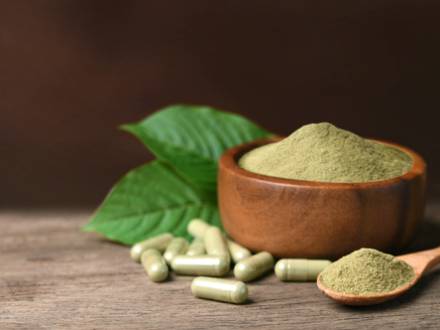 Laws related to drugs change regularly at the state and federal levels. In some cases, the laws related to certain substances may be relaxed, such as when Connecticut and other states have legalized marijuana for recreational use and medical purposes. In other cases, regulations may be updated to address the use of substances that may be considered to be dangerous or addictive. One substance that has gained attention in recent years is Kratom, and Connecticut recently took action to classify it as a controlled substance.
As laws and regulations change, people may face drug charges based on the possession or use of substances that had previously been legal. An experienced attorney can provide guidance on how changes to the laws may be addressed in criminal cases and how a person may be able to defend against charges involving controlled substances.
Changes to How Kratom Is Classified
Kratom is a substance that has become widely available in the United States over the last decade. It is made from the leaves of a tree that grows in Southeast Asia, and it has been used as a traditional medicine by many Asian cultures for hundreds of years. While the leaves of the tree may be brewed in tea or taken orally, products containing Kratom are available in many forms, including pills, gummies, candy, or beverages. Many Kratom products are available for purchase in gas stations, convenience stores, smoke shops, and other businesses. A synthetic, concentrated version of Kratom known as 7-OH is also available, and it can be much more potent.
When taken in small doses, Kratom can act as a stimulant, providing increased levels of energy. At higher doses, Kratom can serve as a sedative, with calming effects that may help to reduce pain and anxiety. Some people use Kratom to treat chronic pain. It has also been used to treat withdrawal symptoms for people who have struggled with addiction to opioids or other drugs. However, scientific studies have not been performed to determine how effective Kratom is when used for these purposes.
Some people have raised concerns about Kratom, claiming that it is similar to an opioid that may have addictive properties and could potentially lead to overdoses. Kratom products are unregulated, so there is no way to verify how much of the substance is in a particular product. In some cases, Kratom products have been found to be contaminated with toxic substances. In 2018, the FDA performed a recall of Kratom products due to concerns about salmonella contamination. Because of the potential risks, many have called for increased regulation of Kratom.
In response to these concerns, Connecticut’s Legislative Regulation Review Committee took action on February 24, 2026 to classify Kratom as a Schedule I controlled substance. This means that law enforcement officials in the state will treat Kratom the same as other substances that are considered to be dangerous and addictive with no accepted medical uses, such as heroin or MDMA. This will prevent Kratom products from being sold in the state, and people could be charged with drug crimes related to the possession or distribution of Kratom.
Contact Our Hartford Drug Crime Defense Lawyers
Because the changes to the classification of Kratom have just gone into effect, people could potentially face drug charges related to this substance without realizing that they have violated the law. At Woolf & Ross Law Firm, LLC, our Connecticut drug crimes defense attorneys can provide representation for those who have been accused of possessing or distributing controlled substances. We can help protect the rights of our clients while working to resolve criminal cases successfully. Set up a free consultation today by calling us at 860-290-8690.
Rocky Hill Office
2049 Silas Deane Hwy, Suite 203
Rocky Hill, CT 06067
P 860-290-8690

Free Consultations 860-290-8690


