


What Are the Most Important Concerns Affecting People in Prison?
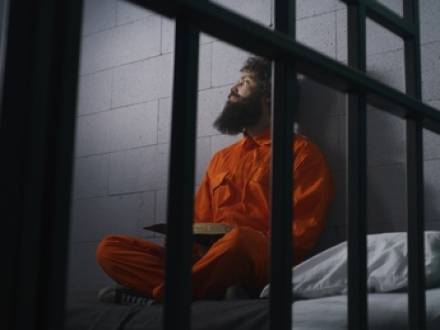 Many people who are convicted of crimes are sentenced to prison. While prison is understood to be a form of punishment that involves living in harsh conditions, people may not realize the difficulties that many prisoners face. Prisoners should still be treated humanely, but far too often, they do not receive proper medical care, have limited opportunities for rehabilitation, and struggle to be treated fairly by the criminal justice system.
Because of the problems that can affect a person for the rest of their life after being sentenced to prison, legal representation is crucial during a criminal case. With an attorney on their side helping to protect their rights, a person can take steps to defend against criminal charges. Even if a conviction cannot be avoided, a lawyer can advocate on a person’s behalf and work to limit their sentence or give them the opportunity to participate in diversion programs. Reducing the amount of time a person will be required to spend behind bars can help to avoid issues that could have an impact on their life for years to come.
Top Concerns That Incarcerated People Have
The Marshall Project surveyed prisoners across the United States about the challenges they face. Their responses revealed a number of issues that are likely to be outside the awareness of people who have not been incarcerated or who do not have family members in prison. Some of these concerns include:
-
Life without parole is overly harsh: Many prisoners are facing long sentences that may require them to spend decades in prison, without any opportunity for early release. People can change after spending decades behind bars, but the system does not recognize those changes. As people get older, their medical needs increase, and they may not receive the care they need. Their families also struggle with the difficulties of visiting prison regularly and the costs involved in making phone calls or providing necessities. Mandatory minimum sentences and enhancements that were put in place years ago for many offenses have left prisoners with no way to ever go home.
-
The difficulty of rehabilitation: Is the purpose of prison solely to punish people or to provide them with rehabilitation? While most people believe that prisoners should have the opportunity for rehabilitation, these opportunities are often limited. In certain states, people cannot reduce their sentences by participating in classes or groups, meeting educational goals, or maintaining good behavior. Many prisoners also struggle to receive vocational training that will allow them to maintain employment and support themselves after being released.
-
Denial of parole: In many cases, prisoners have the opportunity to request an early release, but many struggle to be treated fairly by parole boards. Even those who have put forth a great deal of effort to better themselves, maintain good behavior, pursue educational opportunities, receive counseling, and avoid criminal behavior in the future are denied parole due to the nature of their original crimes. When they are judged by past events they cannot change rather than the current efforts they are making that are in their control, they feel as if there is nothing they can do to show that they have made positive changes to their lives and deserve to be given a second chance.
-
Poor basic living conditions: In many prisons, people are forced to live in conditions that would not be acceptable to anyone else. Some deal with infestations of rats and cockroaches. Some may not have clean drinking water. During summers, heat can be oppressive. Many prisons have aging buildings that are beginning to break down. Medical care is often limited, and even when people report injuries or serious health issues, they often receive minimal medical treatment. Prisoners who work often earn very low wages, sometimes as low as a few dollars per week, making them unable to afford basic necessities. These issues can make it difficult or impossible for a prisoner to maintain stability and focus on rehabilitation.
Contact Our Connecticut Criminal Defense Attorneys
Because of the issues that can affect the health, safety, well-being, and future opportunities of prisoners, people who have been charged with crimes will want to determine how they can avoid prison sentences or minimize the time they may be required to spend behind bars. At Woolf & Ross Law Firm, LLC, our Hartford criminal defense lawyers work to ensure that our clients will be treated fairly and that their rights will be protected, and we will advocate for solutions that will prevent harsh sentences and problems that may come with incarceration. Contact us at 860-290-8690 to set up a free consultation.
Rocky Hill Office
2049 Silas Deane Hwy, Suite 203
Rocky Hill, CT 06067
P 860-290-8690

Free Consultations 860-290-8690


