


License Plate Readers and Drones Raise Questions About Police Surveillance
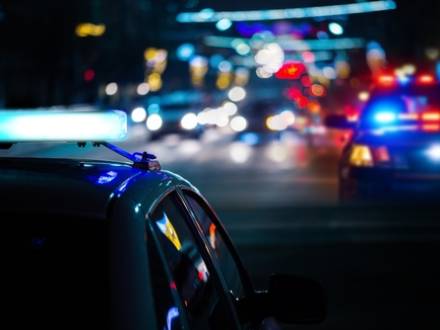 Privacy is an important concern for people throughout the United States. Most people expect that they will be able to go about their daily lives without their movements and activities being tracked by others. While some people may be willing to give up some level of privacy in order to ensure that law enforcement officials can protect public safety, they may not realize the level of surveillance that is currently available to police officers. Recently, concerns have been raised about surveillance through cameras that read license plates and drones that monitor communities.
As more tools for surveillance are being made available to law enforcement, people who are facing criminal charges may need to determine how to address evidence gathered using these tools. An experienced attorney can provide guidance on the steps that can be taken to defend against criminal convictions by challenging unconstitutional searches and showing that a person’s rights were violated by excessive surveillance.
Automated License Plate Readers
Over the past few years, privacy advocates have raised concerns about the increased use of automated license plate readers (ALPRs) by law enforcement. These cameras have been installed in cities throughout the country, and they monitor traffic, logging the license plate numbers of all vehicles that travel on a particular road.
Flock is one company that has been providing ALPRs to police departments, and through contracts with law enforcement agencies and cities, it has installed around 120,000 cameras across the country. It provides services to around 7,000 police departments. Its cameras serve as a nationwide network, and in many cases, data captured in one location is available to other police departments across the country, allowing them to track the movements of specific vehicles and people.
While Flock’s cameras are meant to be used to investigate crimes, they have also been used by officers to commit abuses. Journalists have uncovered at least 50 cases in which police officers have used ALPRs to engage in stalking and harassment by tracking the movements of their ex-partners or other people. Officers have also exceeded their authority during investigations. In Texas, an officer tracked a woman across state lines when investigating claims that she self-administered an abortion. In Wisconsin, officers tracked the movements of a man who was suspected of traveling to another state to purchase marijuana.
Concerns have also been raised about how data captured by Flock cameras may be used by Immigration and Customs Enforcement (ICE) to identify, detain, and deport people who are suspected of being undocumented immigrants. While Flock has stated that it does not work with ICE directly, many police departments partner with ICE and provide data captured by ALPRs.
Autonomous Drones
As the extent of Flock’s ALPR surveillance network and its potential for abuse becomes clear, people have been asking cities to remove cameras and reduce the level of surveillance. However, many police departments are looking to expand their surveillance measures by using drones. Flock and other companies provide drones to law enforcement that may be used for a variety of purposes.
More than 1,000 law enforcement agencies have applied for and received waivers from the Federal Aviation Administration (FAA) to operate autonomous drones. These drones are operated by artificial intelligence (AI), so they may not be directly controlled by pilots, and they may be deployed to locations to monitor specific vehicles or people.
As with ALPRs, drones have raised serious privacy concerns. Drones may monitor people from a variety of locations, including looking into the backyard of a home or through the windows of houses or apartments. They may read license plates or use facial recognition technology to identify people, and footage may be saved in databases where it can be searched by officers across the country.
While police departments have claimed that drones will primarily be used as first responders, providing officers with an analysis of an emergency situation, their potential for abuse is high. They could be used to track people’s movements or to perform invasive searches in situations where people have a reasonable expectation of privacy. Understanding the role that drones and other forms of surveillance may play in criminal cases will be crucial in the years to come.
Contact Our Connecticut Criminal Defense Lawyers
Due to the use of surveillance technology, concerns about privacy and unconstitutional searches are becoming more and more serious. As new technologies are deployed, police officers may gather a great deal of data about suspects, and they may use this information to arrest people and charge them with a wide variety of crimes.
At Woolf & Ross Law Firm, LLC, our Hartford criminal defense attorneys can review the procedures followed during investigations and determine whether our clients’ rights have been violated. We will take steps to address situations involving excessive surveillance and challenge evidence gathered through unconstitutional searches. To get legal help defending against criminal charges, contact us at 860-290-8690 and set up a free consultation.
Rocky Hill Office
2049 Silas Deane Hwy, Suite 203
Rocky Hill, CT 06067
P 860-290-8690
Free Consultations 860-290-8690


